
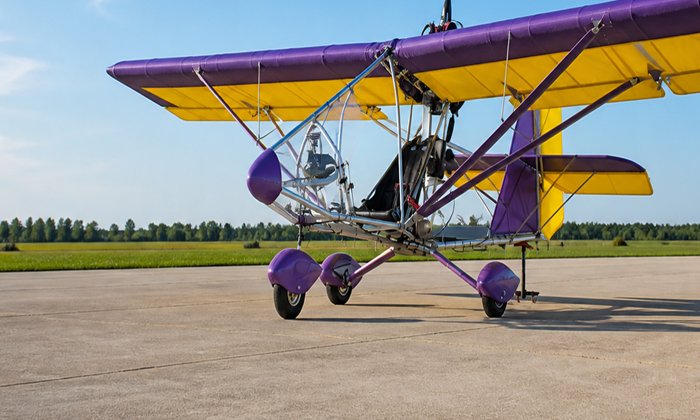
Short takeoff and landing performance is one of the most appealing traits of many ultralight aircraft. It can make grass strips and local recreational fields more practical, but published numbers never replace training, surface evaluation, wind awareness, and conservative safety margins.
What affects takeoff and landing distance
Aircraft weight, surface condition, slope, wind, density altitude, pilot technique, engine performance, and obstacle clearance all affect real-world distance. A short runway number is only useful when you understand the conditions behind it.
Why buyers like short-field aircraft
Short-field ability can support local recreational flying, grass strip access, simpler ground logistics, and more flexibility around rural or private fields. Buyers should still confirm airport rules, landowner permission, airspace, surface condition, and safe approach paths.
Smart buyer questions
- What conditions were used for the listed takeoff and landing estimate?
- What training is recommended before using shorter fields?
- How much margin should I plan for my field, weather, and experience?
- Which model fits my field length and surface type?