What Part 103 Covers
Part 103 covers ultralight vehicles used for sport or recreational purposes. It is not a substitute for training, good judgment, or local operating permission.
A plain-English starting point for ultralight buyers. Always confirm current FAA rules, local airport requirements, and aircraft configuration before operating.
Part 103 covers ultralight vehicles used for sport or recreational purposes. It is not a substitute for training, good judgment, or local operating permission.
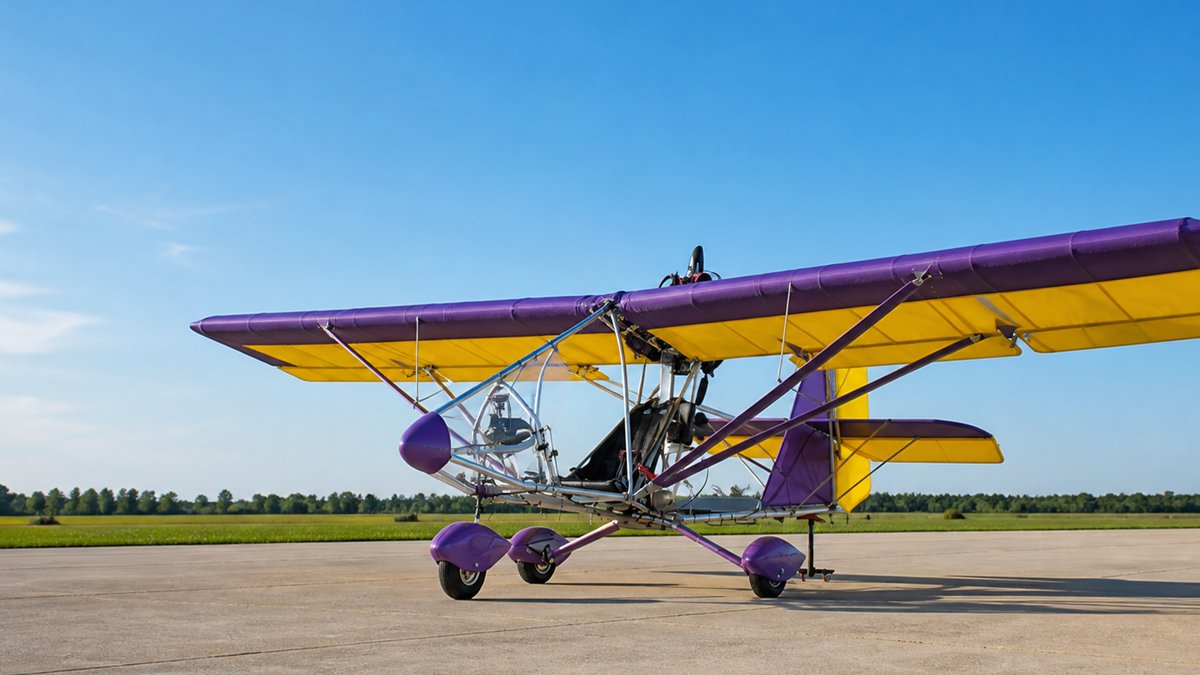
Powered ultralight limits commonly discussed include single-occupant operation, 254 lb empty weight, 5 gallon fuel capacity, 55 knot maximum level-flight speed, and 24 knot power-off stall speed.
Operators must pay attention to airspace, daylight, weather, airport rules, populated areas, and right-of-way responsibilities before flying.
Ask how a specific aircraft is configured, what equipment is included, what training is recommended, and how the aircraft should be operated in your area.
Part 103 is appealing because a qualifying ultralight can avoid many requirements that apply to larger aircraft. That does not make flying casual. Pilots still need training, conservative decision-making, a suitable field, a clear understanding of airspace, and respect for local communities.
Ultralight Aircraft USA can help explain product details and ownership planning, but official FAA sources and current regulations control the final answer. Use this page as a buyer education guide, not legal or flight instruction.
eCFR: 14 CFR Part 103 is the current federal regulation text. The FAA also provides an ultralight vehicles resource page for general aviation users.
Review Skymaster 103 details and ask us how configuration, weight, delivery, and support affect your buying process.